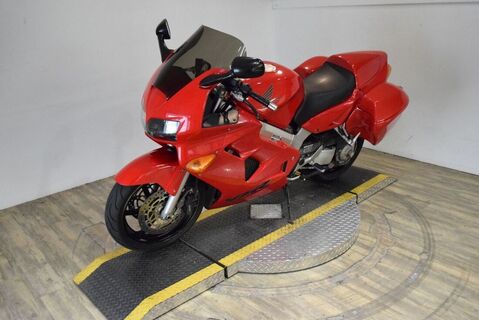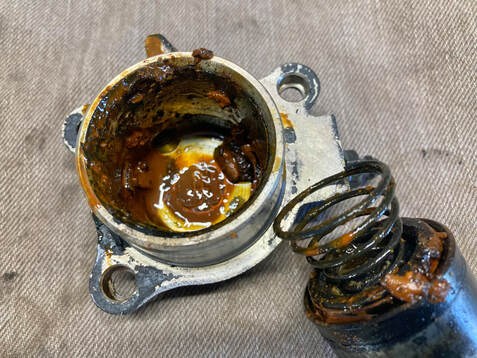
The radiator is in place here, but was removed before I finished the bath, which will give access to the forward valves for a clearance check. Otherwise everything needed to run the engine is left functional till the engine is run and I'm confident that we have a viable project.
|
Project 41 finally got its much-needed bath. It's never fun to begin working on a dirty machine, and a good cleaning lets me see what I'm facing and also shows the bike in its best light. What might originally appear as a depressing prospect can completely change its tune when the dirt and grime is gone.
The radiator is in place here, but was removed before I finished the bath, which will give access to the forward valves for a clearance check. Otherwise everything needed to run the engine is left functional till the engine is run and I'm confident that we have a viable project.
0 Comments
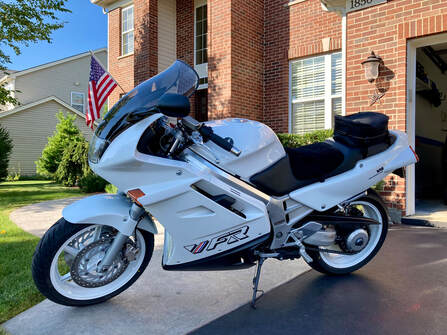
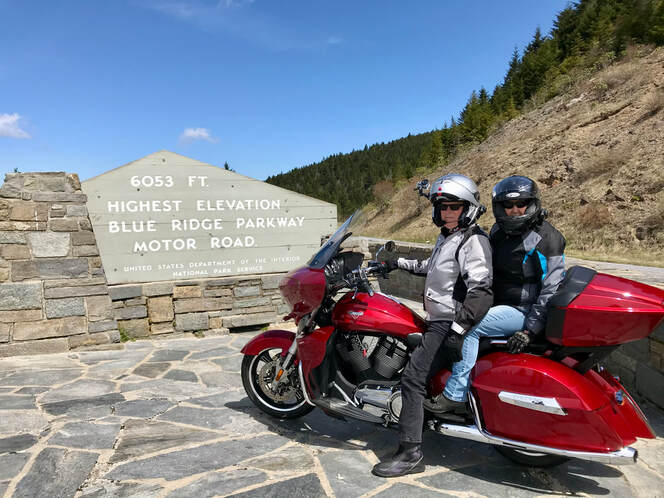
Reader Brian recently helped me out greatly with some fairing ducts for my '93 project and sent along this cool photo of his ride.
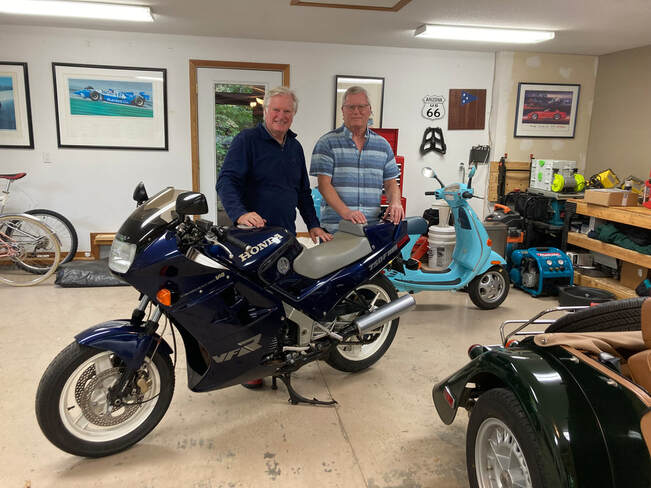
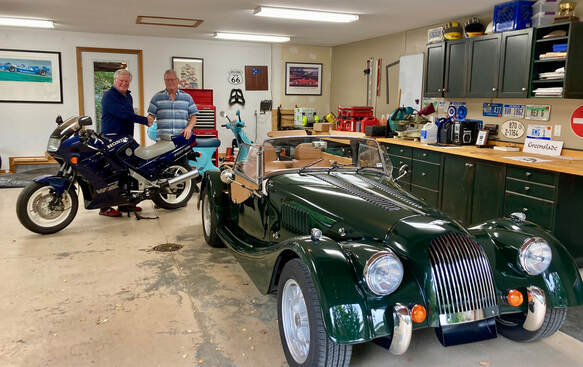
The VFR800 shown below was featured on a Bring-A-Trailer auction which ended yesterday, but what originally caught my eye was the seller's video as he graciously walked us through his tidy collection. It's an eclectic grouping of bikes in a homey, comfortable setting and includes motocrossers, Italian classics and Japanese standards, plus a few Honda V4s, complete with a pristine RC45. For more, search "robert craig." ------------------- This 2007 Anniversary Edition shows only 4200 miles and has been redone in Rothmans livery with a 3d-gen 8-spoke rear wheel and aftermarket slip-ons. The plastics are aftermarket and several decals are not clear coated, so are removable. As with all custom-painted bikes, desirability is in the eye of the beholder, and desirability affects value. A low-mile Anniversary is a $6000-ish bike these days and, as the Rothmans is a legitimate Honda look, it seems to have boosted the value here, but not quite enough for Mr. Craig. This was a "no sale" at $7600 with 27 bids. (Below) Sold previously is this exceptional 1986 VF500 with only 5500 miles and is described simply as a "near perfect, original" example. It does look flawless in the video and starts/runs as it should. This one gathered lots of interest and sold for an impressive $8200, reflecting its condition and presentation. It also demonstrates a genuine fan base for the "mini-ceptor" market. Project 39, my 1993 VFR750, has its freshly painted engine covers installed. This project is not subject to concerns of originality so I felt free to change things up a little. The clutch cover is partially visible with the fairings in place so I chose the 1986 Gold Dust powder coat for it, while the alternator cover is not visible so I prepped and painted that in-house with a satin black, similar to the OEM look. The sprocket cover, however, does peek out from the fairing so I grabbed a sprocket cover from my stash which happened to have been powder coated in a satin gold(ish) sometime in the past. These covers had nasty corrosion from a life in south Florida so I wasn't sure how they'd respond to refinishing, but they came out beautifully. Thanks to Tom at Tom's Cycle Recycling for his powder coating expertise.
(click on an image to enlarge) Click on image for the BaT link $39,800 max bid (17 bids) Auctions are useful tools for helping set values, and not only auction sales but also "no sale" prices, like our example today. This 1989 VFR750R is a Canadian-spec version showing under 2000 miles with basic maintenance items addressed. There's a few scuffs but the original paddock stand is present. There's some mention of the engine being hydro-locked during the recent service, which is potentially a concern with the hi-tech titanium connecting rods and valves. The servicing tech assures us there was "no prolonged attempt to start the bike." —————-- For those who may not be familiar, hydro-lock occurs when the combustion cylinder fills with a fluid (usually gas from a leaking carburetor) which then abruptly stops the piston on its upward movement. Not a problem if one is turning over the engine by hand (or with the spark plug removed) but can theoretically bend a connecting rod if using the starter, which was apparently attempted in this case. —————-- As is always the case, a given vehicle is worth whatever a serious buyer is willing to pay on a given day, and on this day this RC30 was worth $39,800. Our seller disagreed. Always a good sound for a V4 lover, here's a running video: Click on image for the BaT link SOLD: $6800 This very clean and original 1990 RC36 just sold via BaT auction for $6800 after eight bids. Showing 20,000 miles and a few small scars, this example has obviously been well-loved and cared for. All original equipment includes the tool kit and very difficult to find passenger seat cowl. The selling price might indicate that third-generation Interceptors are finally getting the attention they've always deserved. Click on image for the Cycle Trader link What: 1996 VFR750 Why: Well-kept, 2-owner Where: Lebanon, Oregon Prices: $4500 OBO Here we have a very complete, nearly original 4th-gen with 25,755 miles, sporting a D&D slip-on muffler. tank bra, new-ish tires, Helibar bar risers and upgraded charging system. The photos indicate a very clean and well-preserved example. This looks like a great candidate for someone's everyday rider…with V4 exclusivity. It's a beautiful Sunday morning here in the upper Midwest and a perfect time for Project 40 to begin its 7-day auction on Bring-A-Trailer. Click here to view the auction and please pass the word.
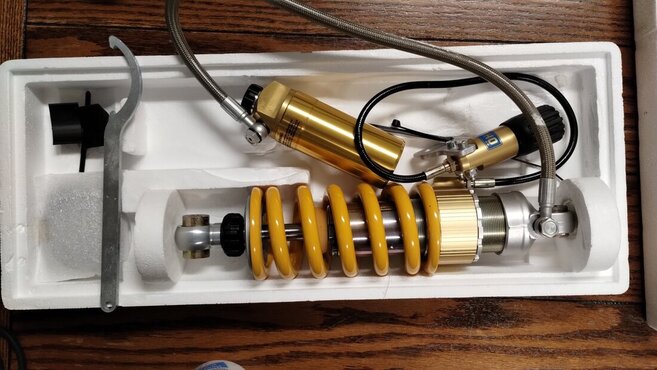
As my 1993 VFR750 awaits its freshly painted wheels, clutch cover and newly upholstered seat to be ready, I've dipped my toe into Project 41, a blue/silver 1987 VFR700F2 in need of full restoration. (Below) I've already stripped the bodywork in preparation for a badly-needed bath, and next I'll remove the carburetors to begin the process of getting the engine running. The first thing I encounter isn't encouraging, as someone has made a go-fast modification to the airbox lid in the form of 50+ precisely placed holes. So, first thing on the parts list is a replacement lid. With the carbs lifted free the barn dirt shows itself in the cylinder valley. A peek into the carb bowls reveals the expected gummy varnish coating the brass jets. But everything's intact, the control linkages are free and there's no other obvious issues at this point. (click on an image to enlarge) Some good news; a look into the intake passages shows the cleanest valves and guides I've ever found in a VFR engine. I wonder what the secret was to keeping those so deposit-free on this 33K-mile engine. That red streak might hold a clue — did the previous owner regularly add Marvel Mystery Oil to the gas? (Below) More bad news as I find the instrument panel to be loose on its mounts. A quick inspection revealed the cause — all three mounting points have been broken free of the housing. Fortunately, I have a spare housing if we get to that point. The sequence is familiar: Rebuild the carbs, adjust the valves, check compression, flush the coolant and change the oil. At that point we'll press the magic button to see if we have a viable project. Stay tuned. One of my favorite YouTube presenters is RyanF9, creator of the Fortnine series of motorcycle-related content. Ryan's videos are relevant and based upon science and experimentation, not simply inter-web regurgitation. As one commenter posted, "It's one thing to have a superb and intimate knowledge of engineering, but it's a gift to be able to put it across so simply and engrossingly to the layman. A paragon of peripatetic pedagogy." (whatever that means ;-) Today's video is called "The Pros and Cons of Every Motorcycle Engine Type." In it he offers his opinions on singles to inline six's — and the V4, of course. His summary? "The V4 is the best engine for a motorcycle…period. If you get a chance to own a V4, do it." (skip to 12:00 for the V4 discussion) |
THE SHOP BLOG
|


RSS Feed